Operation Theatre

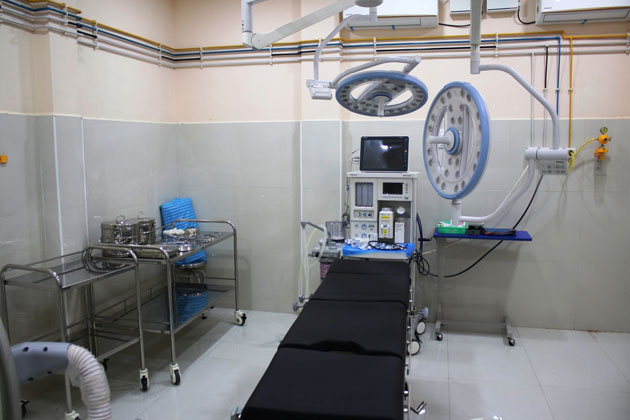
The Operation Theatre (OT), also known as the Surgical Theatre or Operating Room (OR), is one of the most critical components of any hospital. It is a sterile environment where surgical procedures are performed, ranging from routine operations to complex, life-saving interventions. The operation theatre plays a key role in ensuring patient safety, delivering effective treatments, and facilitating the recovery process.
procedure
procedure

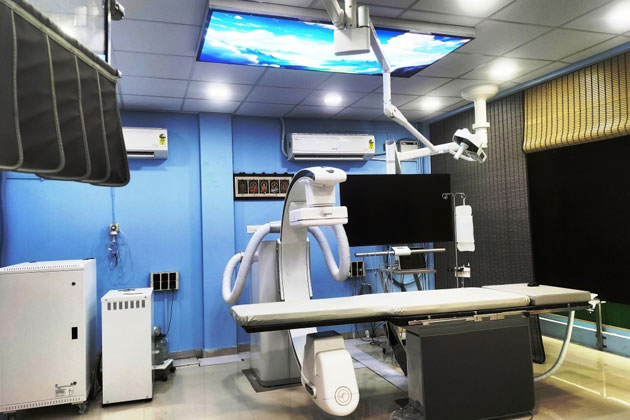
Cath Lab Machine

A Cath Lab machine (short for Catheterization Laboratory) refers to specialized medical equipment used in a cardiac catheterization lab, which is designed for diagnosing and treating heart-related conditions through minimally invasive procedures. These machines are used to perform procedures like angiography, angioplasty, stent placement, and more. Key components of a Cath Lab machine include

ICU

The Intensive Care Unit (ICU) is a critical component of a hospital, specifically designed to provide advanced, around-the-clock care to patients who are in critical condition or require intensive monitoring and treatment. The importance of the ICU in a hospital cannot be overstated, as it plays a vital role in saving lives, promoting recovery, and providing specialized care for patients with severe medical conditions.

procedure
procedure

Dialysis

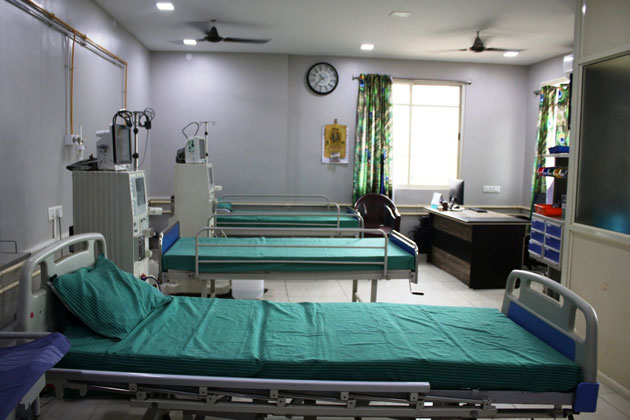
Dialysis is a life-saving medical treatment used to replace or assist the function of the kidneys when they are no longer able to perform their essential functions due to conditions like kidney failure, chronic kidney disease (CKD), or acute kidney injury (AKI). It plays a critical role in the management of patients with kidney dysfunction, helping to maintain fluid balance, remove waste products from the blood, and regulate electrolyte levels. Dialysis is indispensable in hospital settings and offers a wide range of benefits, ensuring patients can live longer and healthier lives despite kidney failure.

ECHO

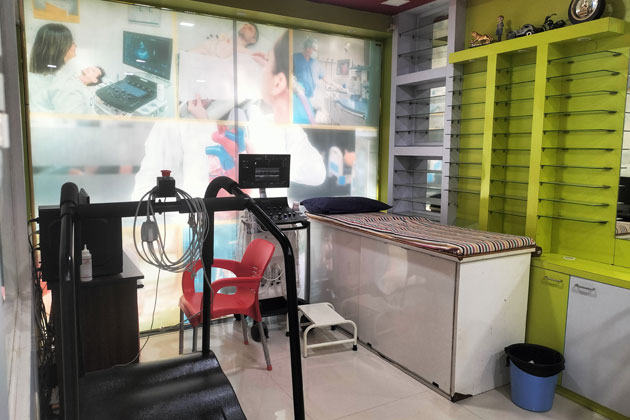
Echocardiography (often referred to as "echo") is a crucial diagnostic tool in hospitals, particularly in the management of cardiovascular diseases. It uses ultrasound waves to produce real-time images of the heart’s structure and function. Echo plays a significant role in diagnosing and monitoring various heart conditions, guiding treatment decisions, and improving patient outcomes.

procedure


procedure

Lab

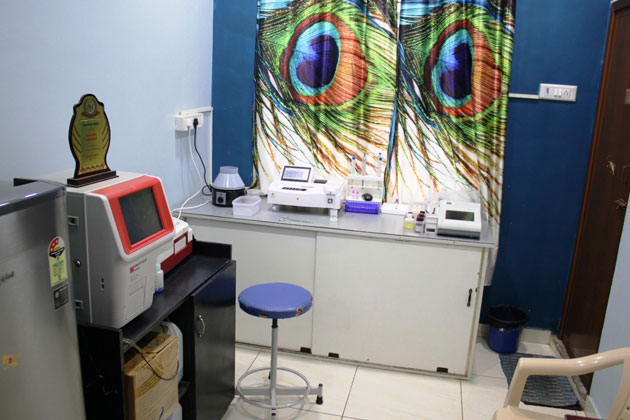
Labs provide essential tests that help in diagnosing a wide range of diseases and conditions. Blood tests, urine tests, microbiological cultures, and imaging analyses help identify infections, metabolic disorders, cancers, and other medical conditions. Accurate diagnostics are the first step toward effective treatment.


Physiotherapy

Physiotherapy, also known as physical therapy, is a healthcare profession that focuses on diagnosing, treating, and preventing physical impairments, disabilities, and pain through various physical techniques. Physiotherapists use manual therapy, exercise, education, and modalities (like heat, cold, ultrasound, etc.) to help improve movement, reduce pain, and enhance overall quality of life.

procedure
procedure

Emergency

Emergency care is one of the most vital components of a hospital, offering immediate, life-saving treatment to individuals experiencing acute medical conditions or injuries. Whether it's a car accident, heart attack, stroke, severe allergic reaction, or an unexpected illness, emergency care ensures that patients receive timely and appropriate treatment to minimize complications, reduce mortality rates, and promote recovery.

Casualty

The casualty department (often referred to as the emergency department or ER) is one of the most vital parts of a hospital. It serves as the first point of contact for patients requiring urgent and critical care. The casualty or emergency department plays a central role in saving lives, providing rapid treatment, and stabilizing patients in acute distress or emergency situations.

procedure
procedure

Pharmacy

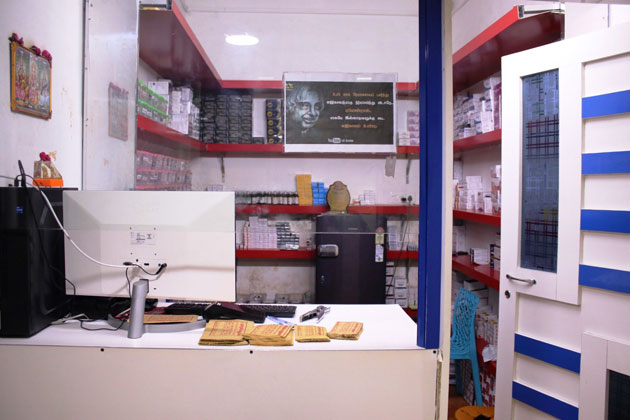
The pharmacy in a hospital is essential for the safe and effective delivery of healthcare. Hospital pharmacists play a critical role in ensuring that medications are used appropriately to improve patient outcomes, minimize risks, and support clinical decision-making.


Separate Rooms

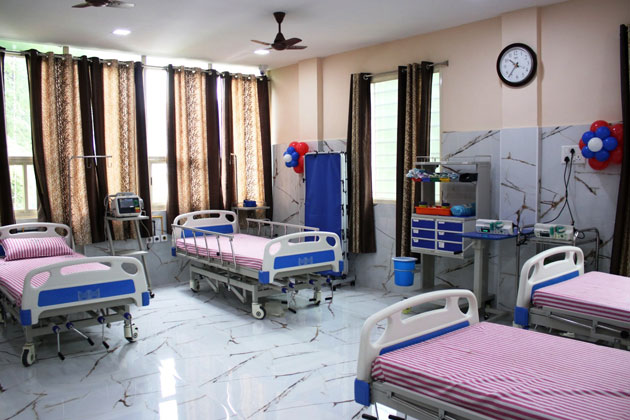
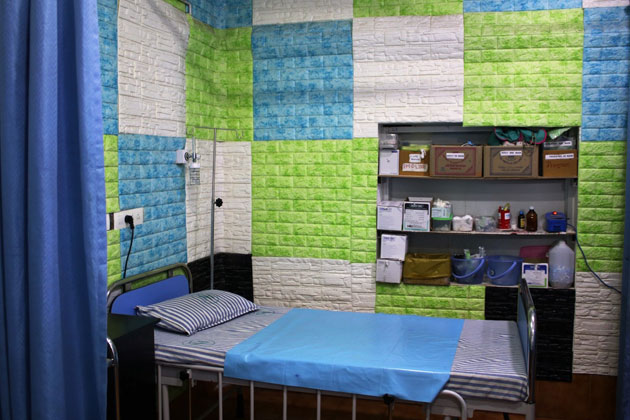
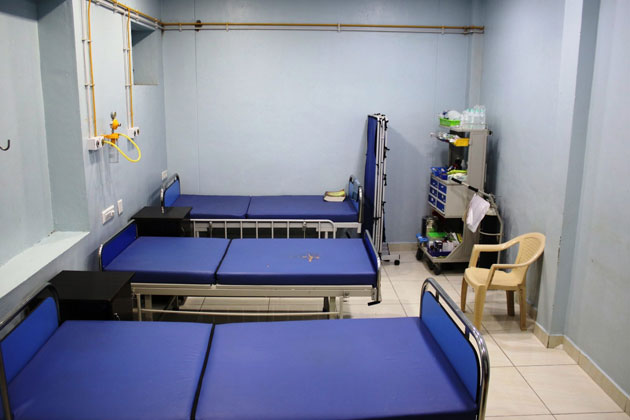
Separate rooms in a hospital are essential for ensuring optimal patient care, safety, and comfort. Whether it's for privacy, infection control, or specific medical needs, having separate rooms for patients serves a critical role in maintaining the quality and efficiency of healthcare services.

procedure